Brompton removals in Brompton

Brompton removals should be straightforward, careful and well organised, whether you are moving out of a flat, a townhouse or a mixed-use property. We provide a practical removals service in Brompton that focuses on safe handling, sensible planning and clear communication from the first enquiry to the final unload. If you are comparing ways to move furniture, boxes and household items, the core aim is simple: make the process manageable without unnecessary stress.
Our service is built around everyday moving needs rather than a one-size-fits-all approach. That can include the collection of furniture, the transport of boxed belongings, and help with heavier or awkward pieces that need more than a quick lift. We also support customers who need a house move handled with care, and those who want a smaller scale van-based option when the load does not justify a larger vehicle. For a clear starting point, you can review our house removals service and decide what level of support fits your move best.
Because every property and access route is different, a good removals plan looks at what needs moving, how it will be packed and where the vehicle can sensibly stop. That practical thinking helps avoid rushed loading and makes it easier to protect walls, floors and furniture edges. If you already know the general shape of your move, use plain details when you ask for a quotation: the items involved, the collection and delivery points, and any particular handling concerns. For a broader view of the options, our removal services page sets out the kind of work we cover.
Domestic removals that suit different property types

Domestic removals are rarely just about carrying items from one front door to another. In Brompton, customers may need help with upper-floor flats, shared entrances, basement storage or properties with limited waiting space outside. Our work therefore centres on safe loading, organised vehicle use and sensible sequencing, so the items most likely to be needed first can be kept accessible. That approach is useful when a move needs to be efficient but still calm and methodical.
We can support moves where furniture needs to be dismantled and reassembled as part of the removal process, provided the job has been arranged in advance and the scope is agreed clearly. Sofas, wardrobes, beds and dining pieces are often the items that shape the overall plan because they take space quickly and may need extra care at doorways or stairwells. If you need a broader residential move with a structured approach, see our home moves page for the kind of work that can be included.
When preparing a move, it helps to think in categories rather than only in room names. Items that are fragile, bulky, valuable or unusually shaped may need different packing or carrying methods. A simple list can be useful for quotation purposes, but it does not need to be overcomplicated. What matters most is giving enough detail to allow a realistic plan, especially if there are access constraints, parking considerations or pieces that need two-person handling.
House removals and furniture handling
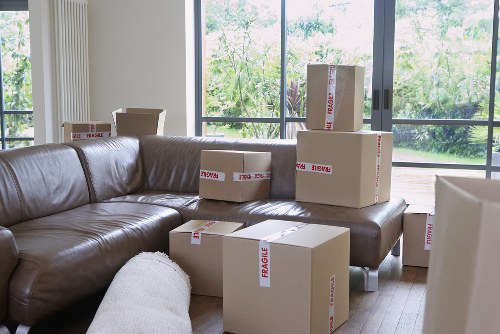
House removals often involve a mix of items that are straightforward to stack and others that need a bit more care. We handle furniture moving with attention to loading order and practical protection, so items can be placed in the vehicle in a way that helps keep them stable during transit. That includes looking after items with delicate finishes, fragile glass surfaces, and fittings that may loosen if they are not carried securely.
For customers moving a full household, the plan usually benefits from separating essential items from those that can travel later in the day. Good sequencing can make unloading easier as well, especially when larger furniture needs to go to upper floors or through narrow internal routes. If your move is centred on a residential property and you want a service description with the same practical focus, our house movers page provides another route into the domestic side of the work.
Sometimes the move includes only selected pieces rather than a whole property. In those cases, the same care still matters, because a single cabinet, piano-style item or substantial dining table can be just as challenging as a full room of boxes. We can also support customers who want a smaller pickup style service for furniture or individual items, which can be useful when storage, resale or household changes are involved.
Smaller load options and van-based moves
Not every Brompton removal requires a large team or a full-scale vehicle arrangement. Smaller load work can suit customers who are moving part of a household, taking items to storage, or combining a few bulky pieces with boxed belongings. A van-based removals service is often more practical where access is tight, volume is moderate, or the move needs to be kept focused on the essentials.
Our man and van style options are intended for those smaller or more flexible jobs where the emphasis is on straightforward loading and delivery rather than a large multi-vehicle operation. This can be especially helpful for beds, white goods, suitcases, office chairs, boxed books and other items that need moving without turning the job into a drawn-out exercise. You can look at man and van if that level of support matches what you need.
When judging which service is appropriate, it helps to be realistic about the amount of furniture and the number of boxes, not just the number of rooms. A small flat can still contain heavy or awkward items, and a larger home can sometimes be moved efficiently if much of the contents has already been sorted. If you are comparing different van-based choices, our man with van page is useful for understanding a compact removals format that remains flexible.
Packing, protection and practical loading

Packing affects how safely and efficiently a removal can be completed. Well-packed boxes are easier to stack, easier to carry and less likely to shift in transit. Our packing and unpacking support can be used to improve the organisation of the move, especially where fragile tableware, ornaments, books or mixed household contents need grouping in a sensible way. More careful packing also helps when the unloading point is a different size or layout from the collection address.
Where customers prefer to pack themselves, we still recommend using sturdy boxes, consistent labelling and sensible weight distribution. Heavy items in small boxes are often safer than loose, overfilled cartons. It can also help to keep screws, fittings and assembly parts together in labelled bags, especially if furniture is being dismantled. For a service focused on this side of the move, have a look at packing and unpacking services and decide whether added support would simplify your day.
Loading order matters as much as packing method. Stable items should usually be loaded in a way that reduces movement, with fragile pieces protected and heavier goods positioned to support the load. That kind of planning is not a luxury; it is part of what keeps a removal organised. If you are booking at short notice or have unusual items to move, list them clearly so the preparation matches the actual work rather than making assumptions.
Commercial and office removals

Commercial removals need a different rhythm from domestic work because the main concern is often continuity as well as transport. For some customers, that means shifting desks, storage units, chairs and files from one premises to another with as little disruption as practical. For others, it may mean moving only selected assets between locations, or clearing one work area while another remains in use. Our commercial moves page reflects that broader business-side service.
Office removals commonly involve equipment that must be handled carefully and placed where it can be used again quickly. Desks, monitors, printers, filing cabinets and meeting furniture all need different handling, and access to lifts, loading bays or stairways can change how the job is organised. If your move is specifically office-based, our office removals page gives a closer look at that kind of work, while office relocation services is useful where a larger workplace transfer is involved.
For business customers, it is sensible to identify the items that must remain accessible during the move and the items that can be packed away first. That keeps the project more orderly and reduces the risk of important materials being buried under unrelated boxes. If you are planning a commercial or office move in Brompton, a concise outline of your premises, timings and assets is usually enough to begin a quotation.
What affects the quotation
Removal pricing is shaped by the practical details of the job rather than by a fixed formula. The main influences are usually volume, access, distance, the number of items requiring special care and the time needed for loading and unloading. A move with awkward stairs, narrow hallways or difficult parking can take a different shape from one with direct ground-floor access, even if the item count looks similar on paper.
It also helps to think about the service level you want. Some moves need only transport and lifting, while others require dismantling, protective wrapping, coordinated packing or help with moving items into storage. If you want a clearer view of how pricing and quotation requests are handled, our pricing and quotes page is the right place to compare the main factors. Transparent details usually make the quote more useful than vague estimates.
When you request a quotation, a short but complete description is often best. Include the main furniture, the number of boxes if known, whether there are fragile pieces and whether access is straightforward. You do not need to write a long essay, but it does help to mention any stair-only access, tight loading areas or items that need two people to carry. That makes it easier to match the vehicle and handling plan to the move itself.
Preparing for moving day
Good preparation can make the move feel far more orderly, especially where several rooms or multiple floors are involved. It is useful to keep pathways clear, separate important documents, and decide which items should travel together. If furniture needs disassembly, it is sensible to keep fittings and tools together so they do not become mixed with unrelated belongings. A little planning before the vehicle arrives often saves time later.
There are a few practical tasks that make sense for most removals, and they do not need to be complicated:
- label boxes clearly by room or priority
- empty loose contents from drawers if items need to be carried safely
- set aside valuables and essentials you want to keep with you
- protect surfaces on fragile furniture before handling
- make sure access routes inside the property are as clear as possible
Use common sense with anything unusually heavy, fragile or expensive, and avoid overloading boxes just to reduce the count. The goal is not to create a perfect system, but to make the property easier to work in and the vehicle easier to load. If a move includes storage, or if some items are going one way and others another, tell us early so the route and order of work can be organised correctly.
About Brompton
Brompton is a district in the Royal Borough of Kensington and Chelsea, in west London, best known for its position between South Kensington and Knightsbridge and for the mix of formal streets, cultural landmarks and residential squares that shape its character. The name is often associated with Old Brompton Road, a long historic route that helps define the area’s geography and movement pattern, while nearby Brompton Cemetery adds a very different but significant landscape element. The cemetery, opened in the 19th century, is one of London’s “Magnificent Seven†garden cemeteries and is notable for its avenues, monuments and tree cover, which give this part of the borough a quieter and more contemplative feel than the busier commercial streets nearby. Brompton also sits close to major museum and exhibition spaces around South Kensington, including the Natural History Museum, the Science Museum and the Victoria and Albert Museum, so the district is linked with a wider cultural quarter as much as with its own residential streets. The built environment mixes terraces, mansion blocks and institutional buildings, and the area’s street pattern reflects the layered development of west London over time. Public transport access, local shopping streets and the proximity of larger destinations such as Knightsbridge and Chelsea all contribute to Brompton’s identity as a compact but well-connected inner London district with both local and city-wide significance.
Removal support with clear next steps
Once the main details are known, the next step is usually to choose the simplest service that genuinely fits the move. Some customers need a full home removal; others only want furniture moved, packed or delivered in a van. The best outcome comes from matching the service to the actual load, the access and the delivery requirements rather than choosing more capacity than is necessary. That keeps the job focused and avoids unnecessary complication.
If you are comparing options, it can help to think about the move in terms of what must be carried, what must be protected and what can be left out. We can work with those practical distinctions whether the job involves a home, a flat, a workplace or a partial pickup. For customers who want to explore other relevant service pages, the removals page offers a broader overview of the same core service family. Please take a moment to review what you need, then ask for a quotation in plain terms.
Our final advice is simple: keep the enquiry accurate, keep the details useful and keep the move plan realistic. If you can describe the collection point, the delivery point and the main items involved, you are already most of the way there. For the most direct next step, send your removal details through to contact us and request a quotation for your Brompton move.